Why cuisine is the strongest lever in cooking
Give the same chicken, peppers, onions and rice to five cooks and you get five dinners that share nothing but the shopping list. The Indian cook reaches for ginger, cumin and garam masala and simmers a curry. The Mexican cook chars the peppers, slices the chicken thin and warms tortillas. The Asian cook cuts everything small, heats the wok until it smokes and finishes with soy and sesame. The Italian cook wants tomatoes, garlic and olive oil and a bowl of pasta nearby. The Mediterranean cook marinates in lemon and herbs and builds a bowl. Ingredients are vocabulary; cuisine is grammar. A generator that only matches ingredients gives you a recipe. A generator that also matches cuisine gives you the dinner you were actually craving.
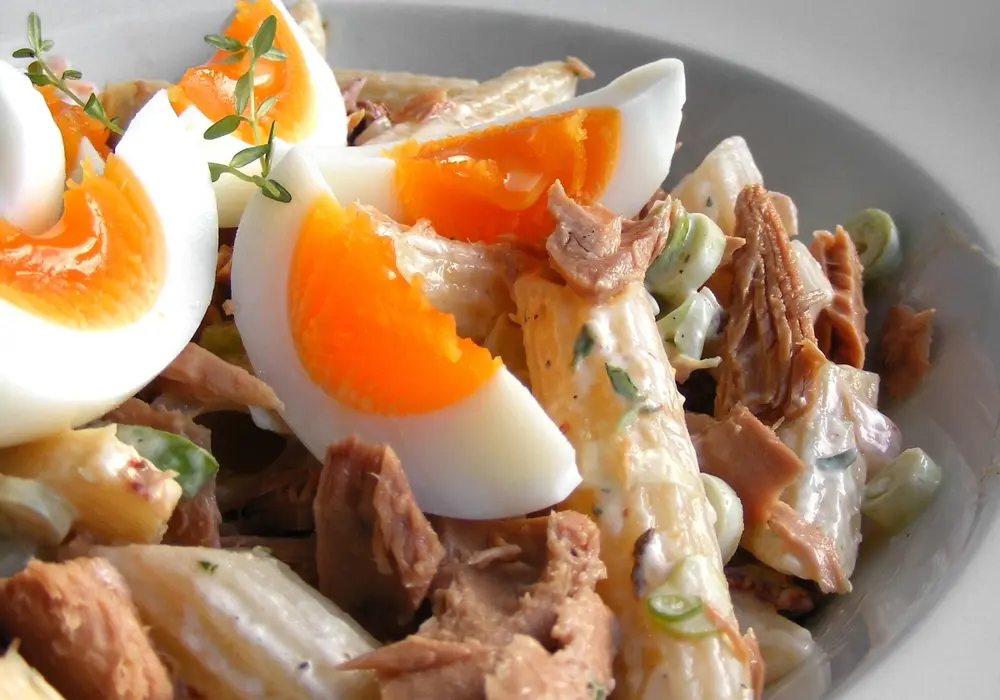 Italian — pasta, flatbreads, frittatas
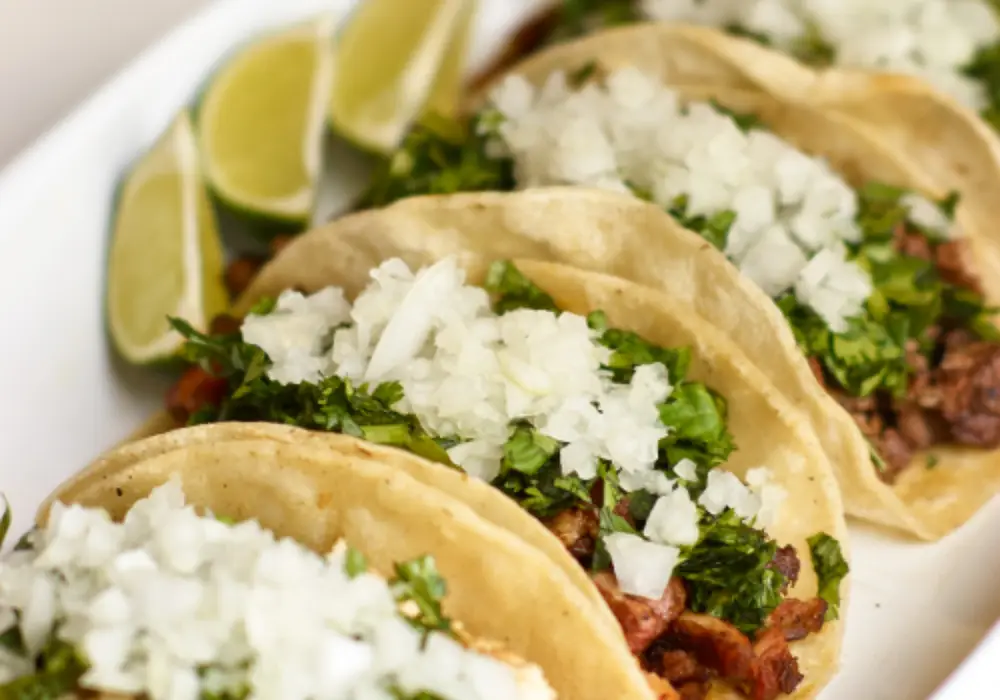 Mexican — tacos, quesadillas, beans
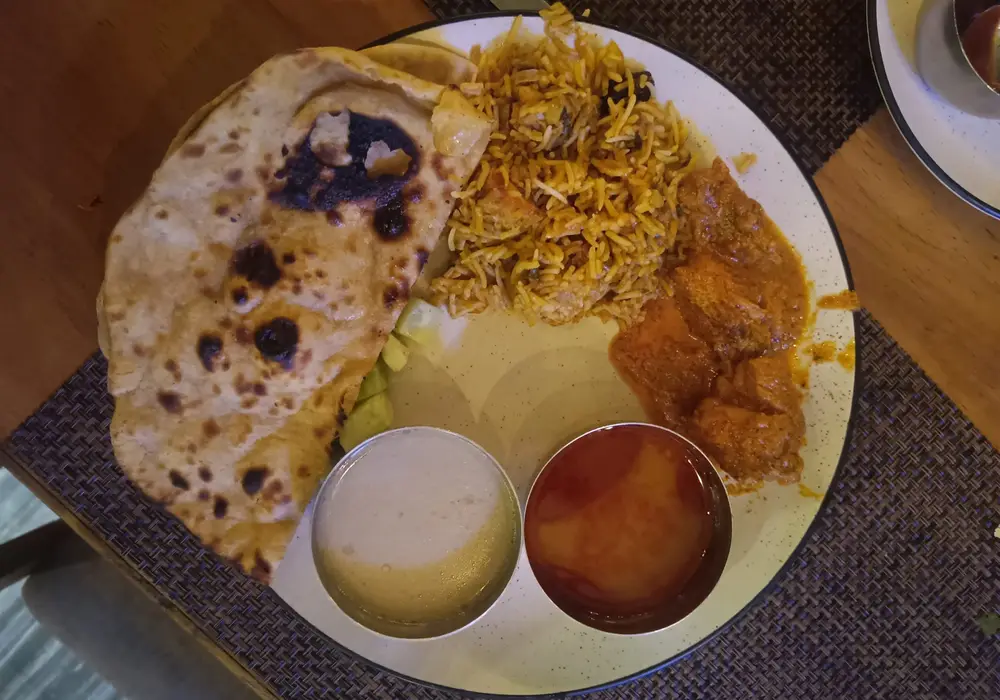 Indian — curries, dals, spiced bowls
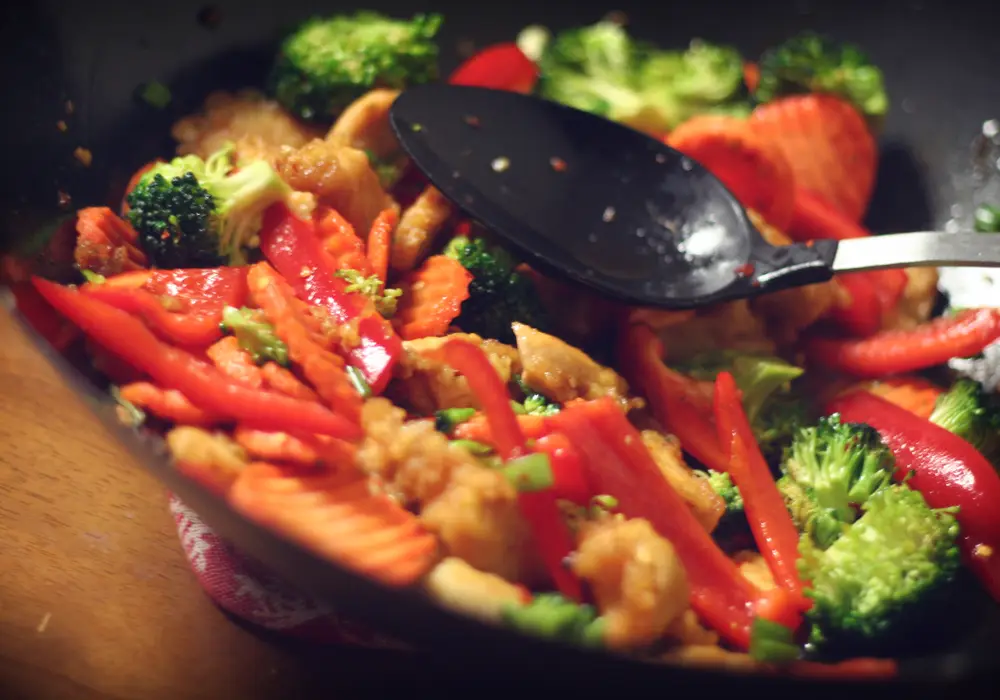 Asian — stir-fries, fried rice, noodle soups
The app also carries Thai, Mediterranean, Middle Eastern and American patterns — coconut curries and pad-Thai-style noodles; grain bowls, chopped salads and hummus plates; shakshuka and skewers; sheet-pan dinners, skillet hashes and pancakes. Each cuisine page below goes deep on one tradition: its pantry staples, its core techniques, and the exact patterns the generator uses, with worked examples from real ingredient selections.
How to choose a cuisine when everything sounds good
Three honest shortcuts. By time: Asian and Mexican patterns are the fastest (15–25 minutes); Indian curries reward a slower simmer; Italian sits in between. By weather: soups, stews and curries for cold nights; chopped salads, grain bowls and tacos when it is hot. By what expires first: wilting greens belong in Italian frittatas and Asian stir-fries; ripe tomatoes in Mexican salsa-based dishes and Middle Eastern shakshuka; leftover rice is Asian fried rice waiting to happen. The generator respects all three logics — you just pick the direction.
Questions about generating by cuisine
How does a recipe generator by cuisine work?
The ingredients stay the same; the pattern changes. A cuisine in RecipeGen is a bundle of dish patterns, flavour kits and techniques — Indian means curries and dals built on ginger, garlic and garam masala; Asian means high-heat stir-fries and noodle soups with soy and sesame. Pick the cuisine and the generator composes your ingredients inside that bundle.
Which cuisine is best for using up leftovers?
Asian patterns (fried rice, stir-fries, noodle soups) absorb the widest range of odds and ends, because the sauce carries the dish. Mexican patterns are a close second — almost anything tastes at home in a warm tortilla with cumin and lime.
Can I generate the same ingredients in two cuisines?
Yes, and it is the best way to see what the generator does. Select chicken, peppers and rice once, generate as Indian (a curry), then switch the cuisine to Mexican (fajita-style bowls and tacos) or Asian (a stir-fry) and generate again.
Are the cuisine patterns authentic?
They are honest home-cooking versions: the flavour kits and techniques are the real foundations of each cuisine (that is what makes them taste right), simplified to ingredients a normal supermarket stocks. Each cuisine page explains its staples and methods so you can learn the logic, not just the recipe.